Rehan Shahid
  Mar 10, 2026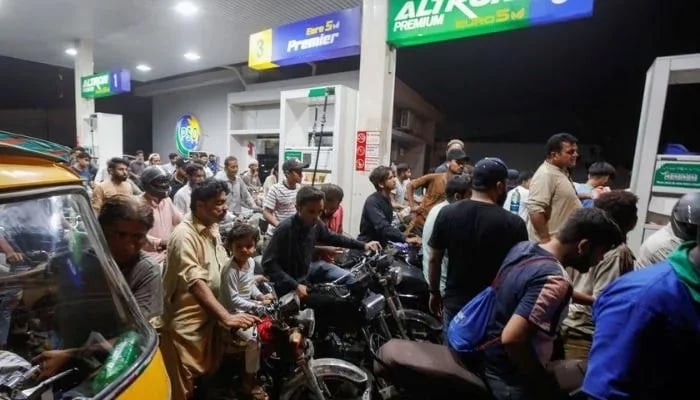
As global tensions between the United States (US), Israel, and Iran raise concerns of an oil supply disruption, Pakistan has begun implementing precautionary measures to avoid a petrol crisis.
The precautionary measures come as Pakistan, similar to other global economies, is facing fuel supply disruptions due to the closure of the Strait of Hormuz, which is a key route for the movement of fuel supplies around the world. Currently, the petrol price in Pakistan is Rs321.17 per litre and diesel costs Rs335.86 per litre.
Prime Minister Shehbaz on Monday addressed with the current situation of Pakistan, in which the premier announced austerity measures, including temporarily halting salaries for cabinet ministers.
Addressing the nation, the premier said the entire region had been gripped by conflict and stressed that Pakistan was pursuing diplomatic efforts to help defuse the crisis.
“The entire region is currently in a state of war,” said the prime minister, adding that Pakistan was making every effort through diplomatic channels to help resolve the situation.
These austerity measures are designed to avoid any kind of fuel shortage, and ensure adequate reserves are managed carefully while navigating volatile international supply chains.
The PM urged the nation to demonstrate unity and responsibility in dealing with the crisis. “Our nation needs unity and a strong sense of responsibility,” he said.
Here are the measures that the PM announced:
- Oil prices are expected to increase further in the coming days.
- Fuel supply to government vehicles will be cut by 50% for the next two months, effective immediately, except for ambulances and public transport buses.
- 60% of government vehicles will remain unused to conserve fuel.
- Federal cabinet members, ministers, advisers, and special assistants will forgo their salaries for the next two months.
- Parliamentarians' salaries will be reduced by 25%.
- Two days' salary of civil servants with Grade 20 or more and officials earning Rs300,000 or more will be deducted and allocated to public welfare.
- Operational expenses of civil institutions, excluding salaries, will be reduced by 20%.
- Complete ban has been imposed on the purchase of vehicles, furniture, air conditioners, and other equipment in civil institutions.
- Overseas travel by the prime minister, federal and provincial ministers, advisers, and special assistants will be banned, except when essential for national interest.
- Online meetings and telecommunication will be prioritised to reduce fuel consumption.
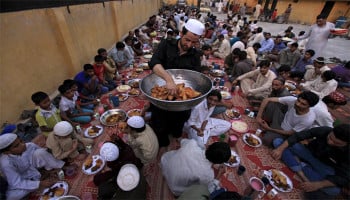
- Iftar parties and official dinners have been banned.
- Government seminars and conferences will be held at state facilities instead of hotels.
- More than 50% of staff in government and private sectors-except essential personnel—will work from home.
- Four-day working week will be implemented.
- Work-from-home and the four-day workweek will not apply to bank employees and industrial workers.
- All educational institutions will remain closed for two weeks starting at the end of this week, while online classes will continue for higher education.
- Authorities have warned that profiteers will face strict legal action.